
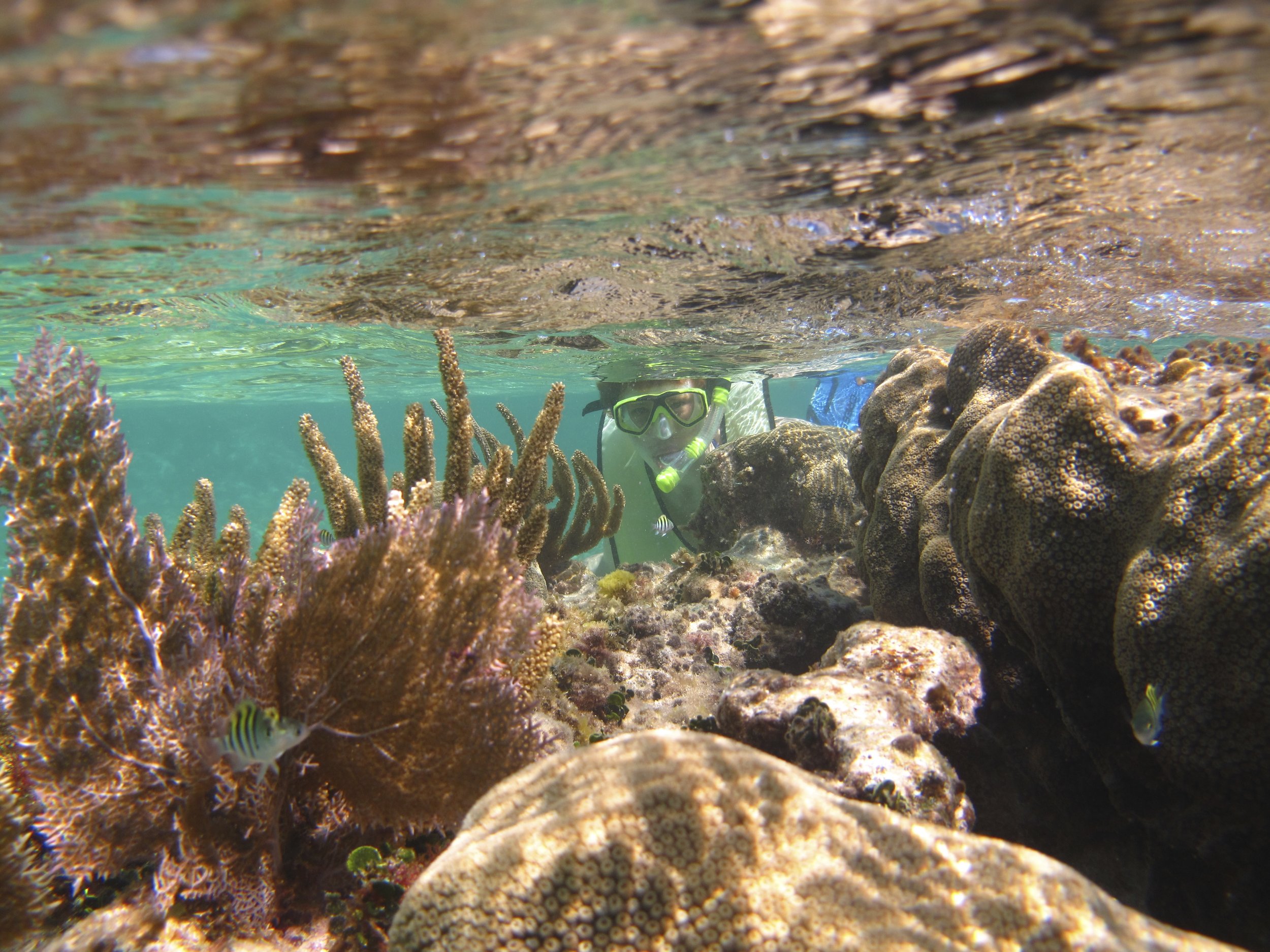
To inspire and empower individuals through marine education to foster a deeper understanding and appreciation for the ocean, championing its exploration and conservation.
What we do
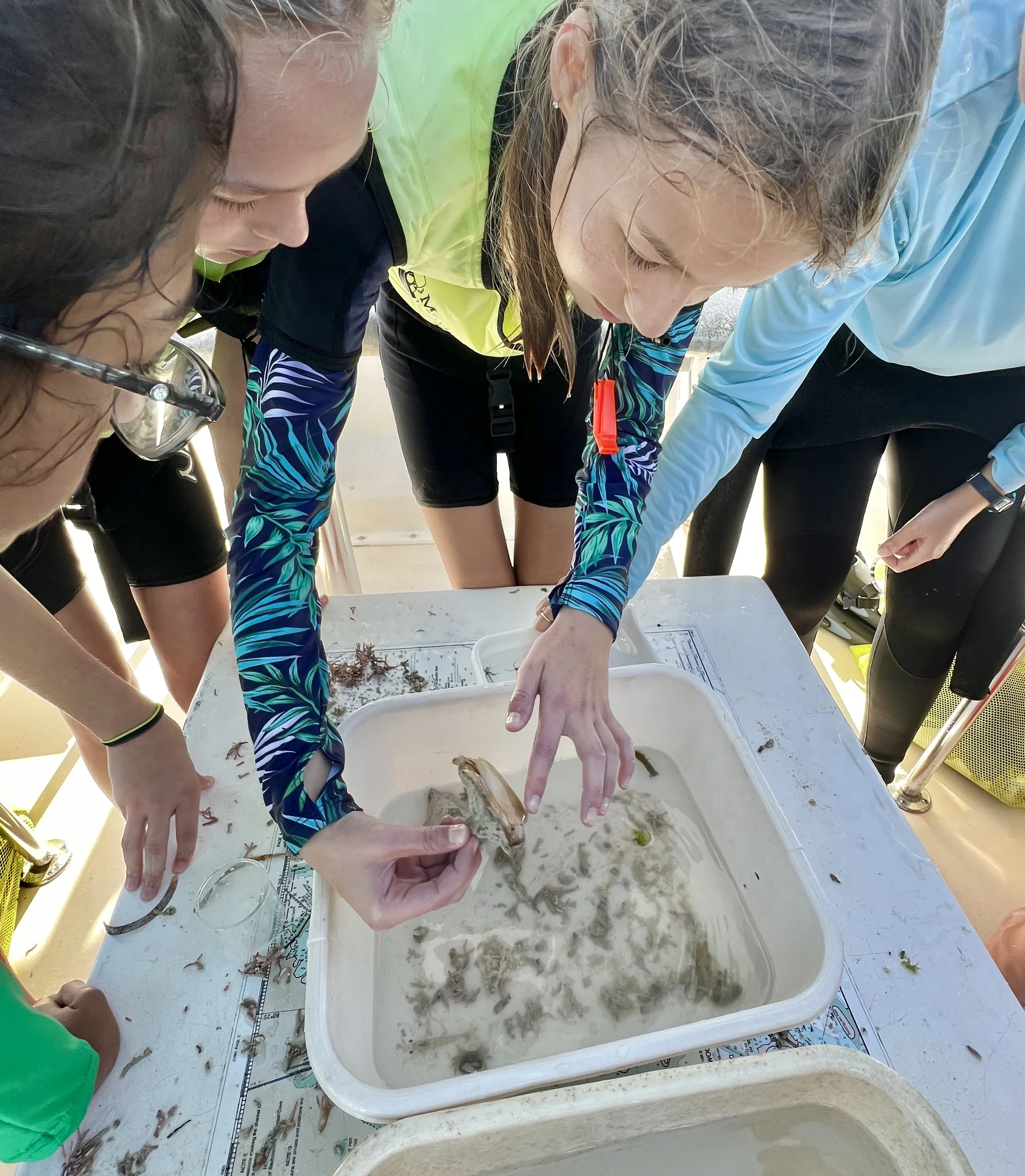
Our MarineLab environmental education program has been educating students and teachers about the ocean at our Key Largo campus since 1985. Whether it’s a field experience for a school group, a virtual program, teacher workshops, or free marine science learning resources, our MarineLab Environmental Education programs have a life long impact on our participants. In 2024, we hosted nearly 7,000 students and teachers from 32 states and territories in 249 separate programs at our education campus in Key Largo, Florida. We reached an additional 1700 students virtually. We have summer camps and free family days as well. If you are an educator or a parent, or know one who is interested in marine science, this is the option for you.


We have been been focused on underwater habitats as a way for researchers to spend more time in the environment they wish to study since our inception in 1970. Additionally, underwater habitats provide an opportunity to conduct long-term studies of human physiology and psychology. The 2023 Project NEPTUNE mission, in which Dr. Joseph Dituri spent 100 days underwater in Jules’ Undersea Lab, is the latest example of long-term stays at depth. Another extended mission, the Veterans’ Decompression Project, is scheduled for June 2026.
The Jules’ Undersea Lab is also available for day tours and overnight stays, giving the general public the opportunity to live, work, and sleep in an historic underwater habitat.
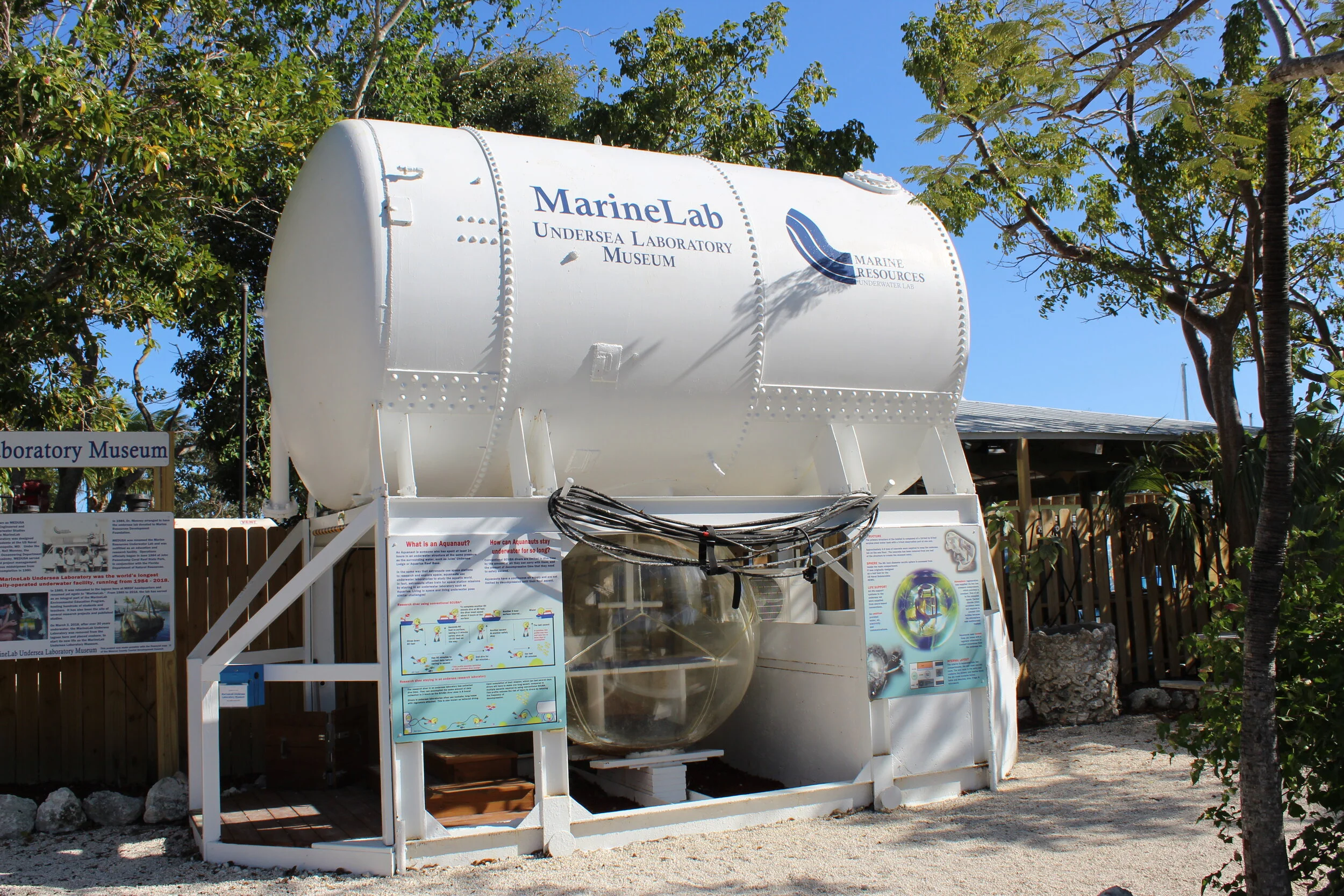
The MarineLab Undersea Park and Museum encompasses a private lagoon, a collection of artifacts used in undersea research since the 1970's, and a gift shop featuring marine science themed items as well as MarineLab merchandise. The lagoon is available for dive instruction, hosting thousands of student divers from beginners through instructors every year. The MarineLab Undersea Laboratory Museum was submerged in the lagoon from 1985 until 2018, when we raised it to the surface. Anyone who can climb the short ladder can enter it now and see what it was like to live and work in an underwater habitat.